
Understanding
What it really is
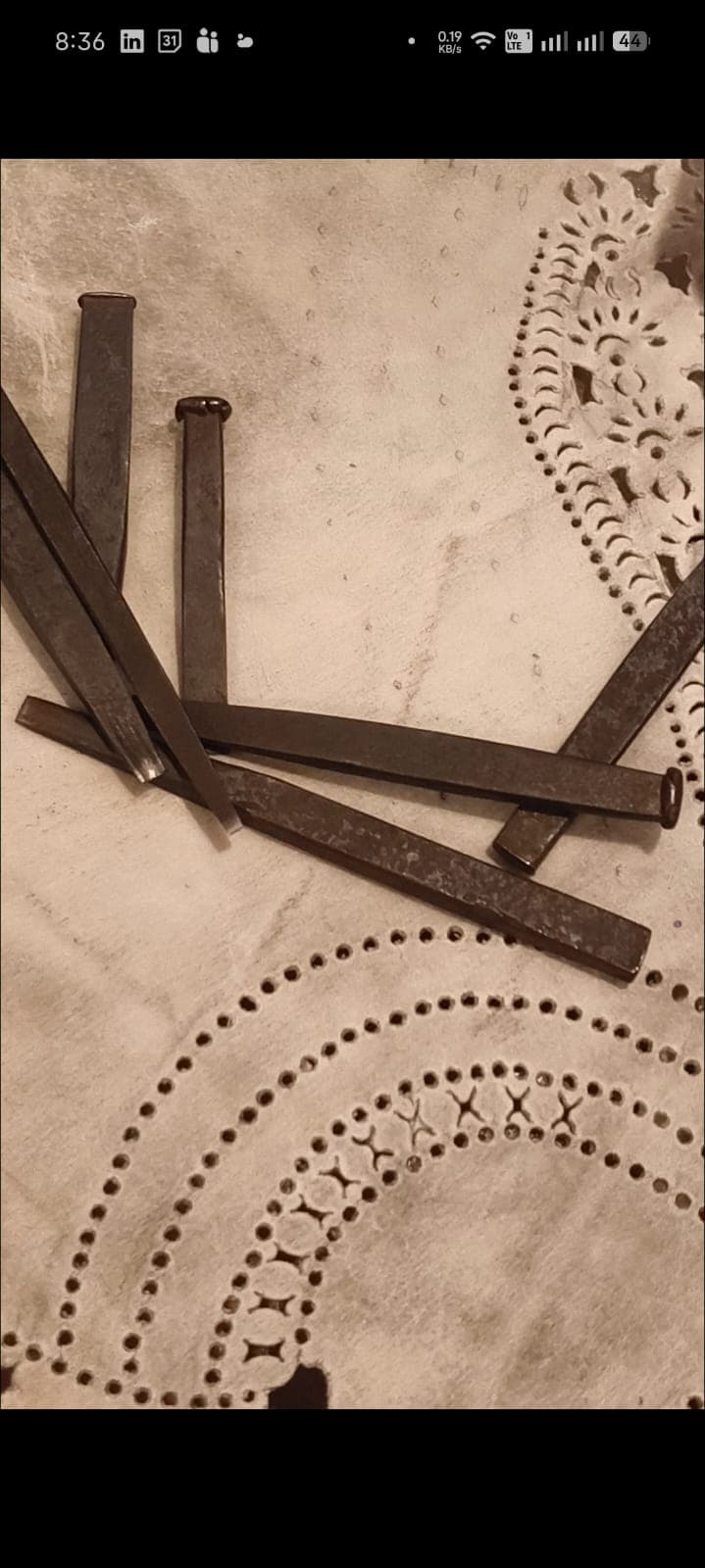
Puppet making is a detailed craft process through which materials are transformed into expressive figures capable of movement and storytelling. In traditions such as shadow puppetry, this involves working with treated leather to create flat, articulated forms that interact with light.
The process includes selecting and preparing the material, cutting and shaping the form, perforating intricate patterns, and assembling movable joints. Each stage requires precision, patience, and a deep understanding of how the puppet will function in performance.
In Tholpavakoothu, puppet making is not separate from performance but deeply integrated into it. The visual design, proportions, and detailing of the puppet influence how stories are perceived on the screen. The craft thus carries both technical and narrative responsibility, shaping how characters and scenes come alive.
Connections
What it relates to
Context
Where it connects

Stories
How it is experienced

The Night the Shadows Speak
Read story →Context
Where it belongs
Kerala, South India
Traditional to Contemporary
Puppet making represents the intersection of craft and storytelling. It transforms raw material into forms that carry character, emotion, and narrative. The process reflects not only technical skill but also cultural knowledge of representation and symbolism. In traditions like Tholpavakoothu, the puppet is not merely an object but a medium through which mythological narratives are embodied and transmitted.
Traditionally, puppet making is practiced within artisan communities where skills are passed through generations. The process often takes place alongside performance traditions, ensuring continuity between making and performing. The tools, techniques, and patterns used are deeply rooted in local knowledge systems, with variations reflecting regional styles and storytelling traditions.
Explore
Where to go next
Each path leads deeper into the system — follow what draws your curiosity.